Every sport. One camera system.
Courts, pitches and halls. Each sport gets its own tracking model, trained on its own ball, its own lines and its own rules. Pick one to see exactly what gets measured.
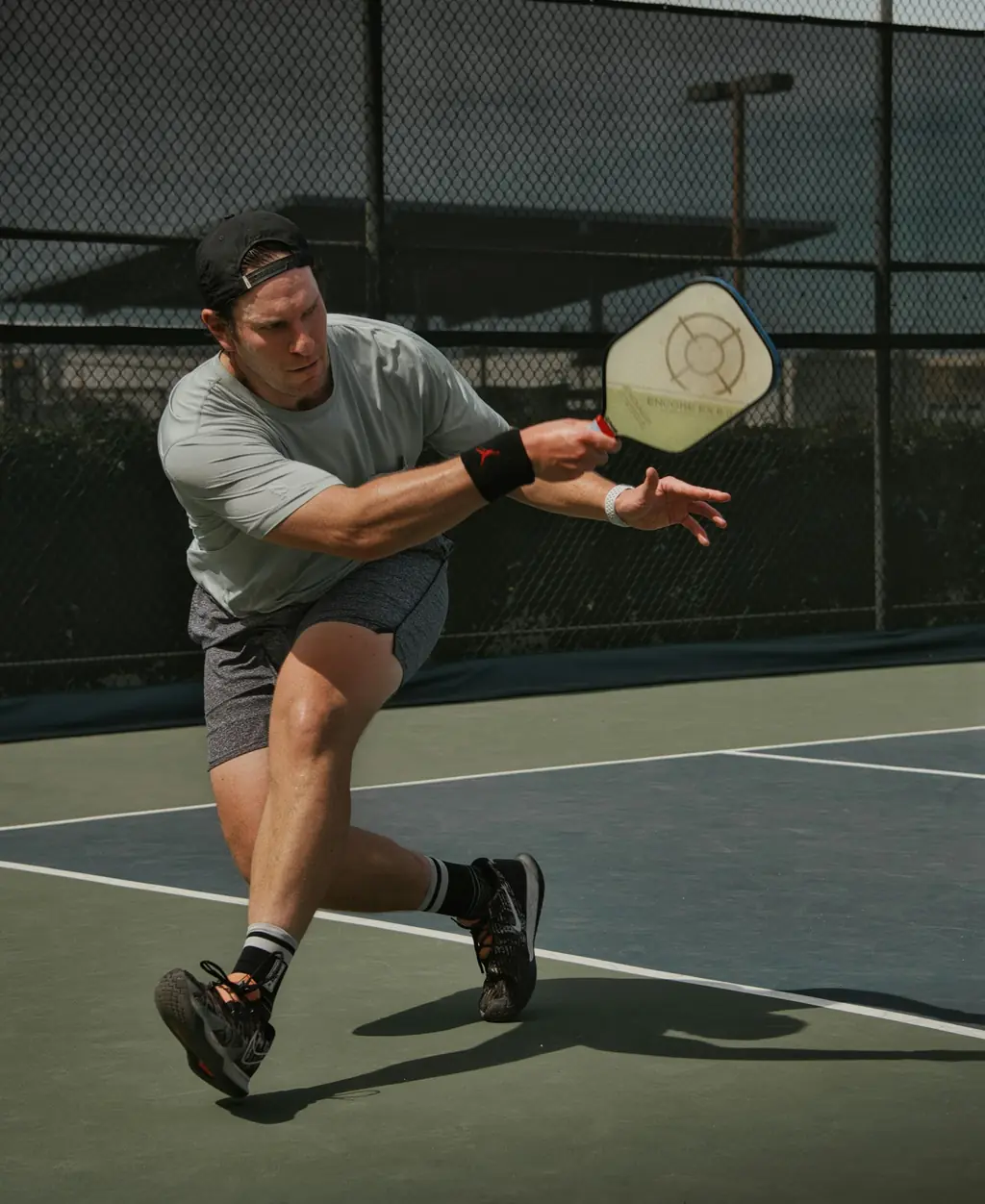 Pickleball1 camera · 4 m
Kitchen faults, third-shot drops and dink rallies, counted for you.
Open the pickleball page
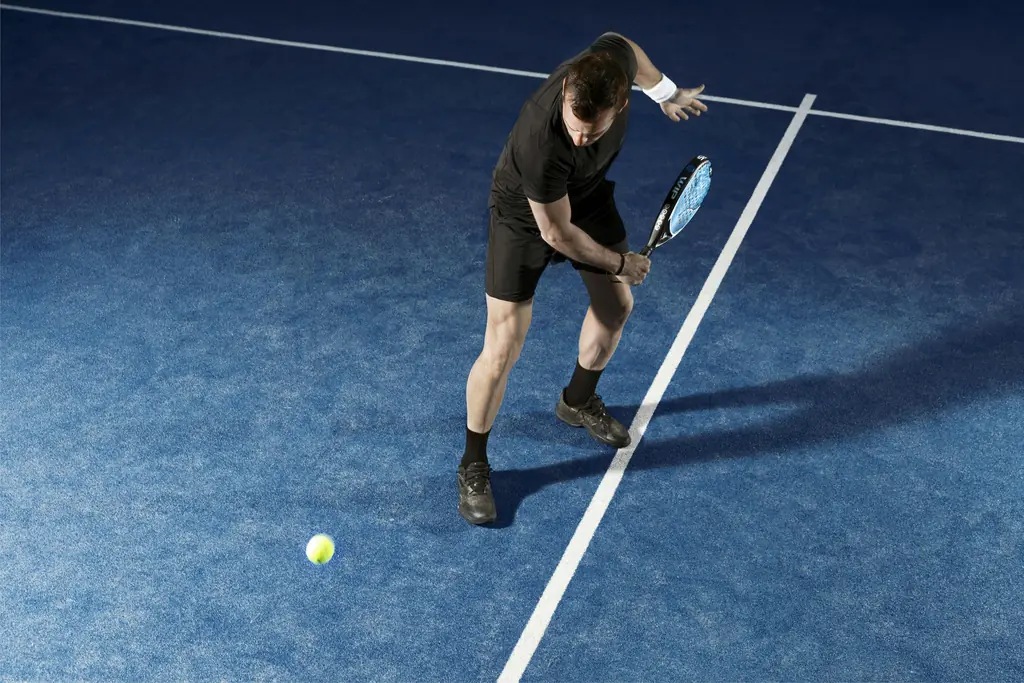 Padel1 camera · 5 m
Glass, walls and overheads, read the way the game is played.
Open the padel page
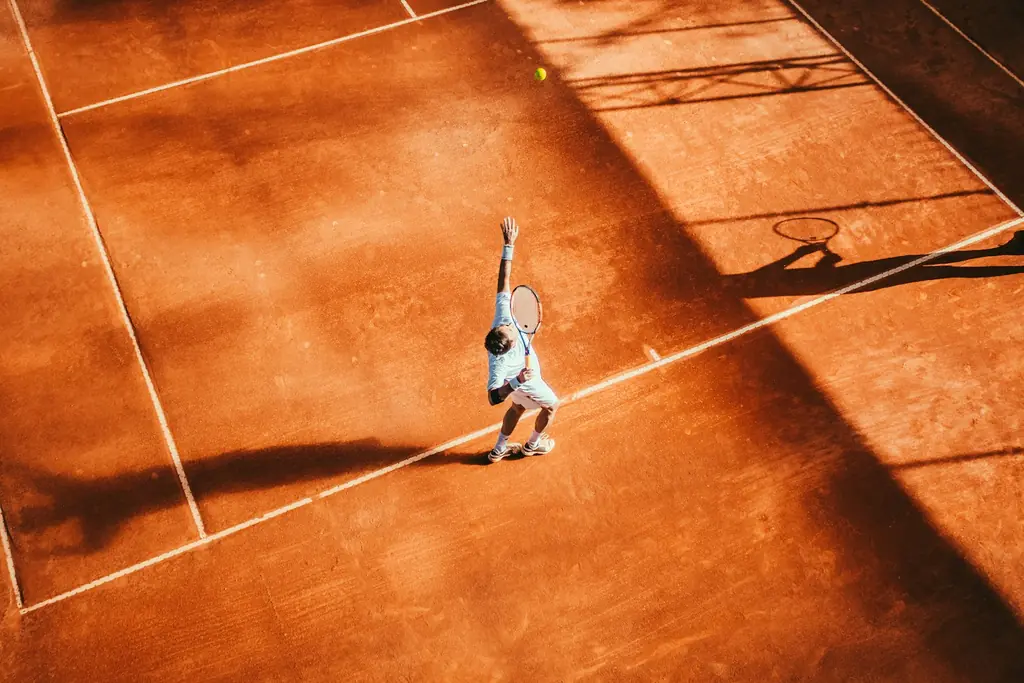 Tennis1–2 cameras · 6 m
Serves, line calls and rally depth, on the courts you already have.
Open the tennis page
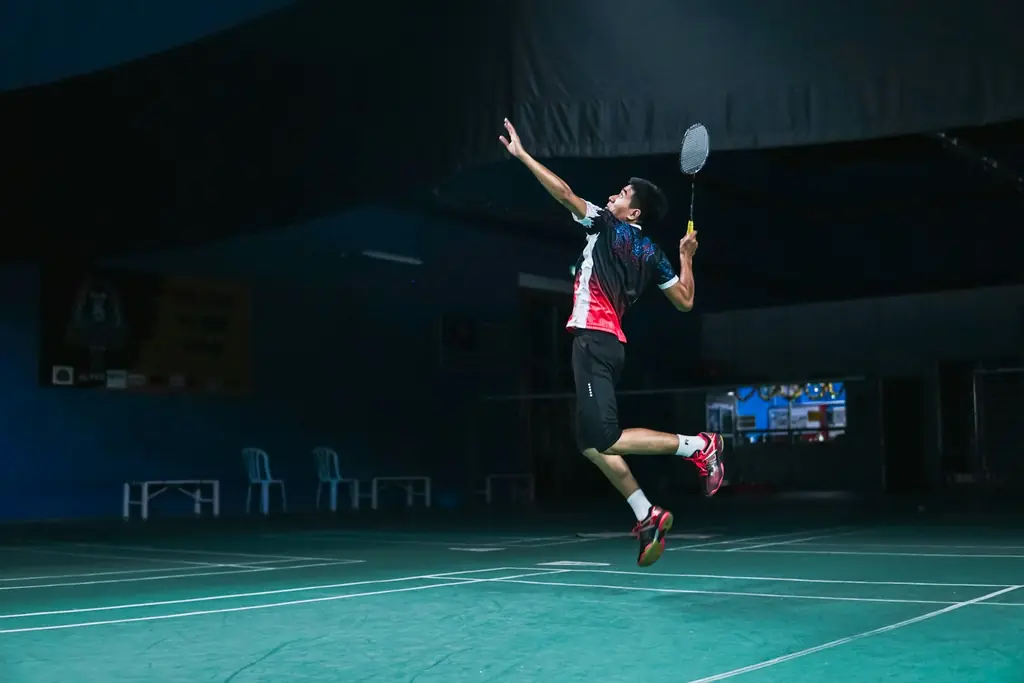 Badminton1 camera · 7 m
Smash speed, contact height and every corner of the court.
Open the badminton page
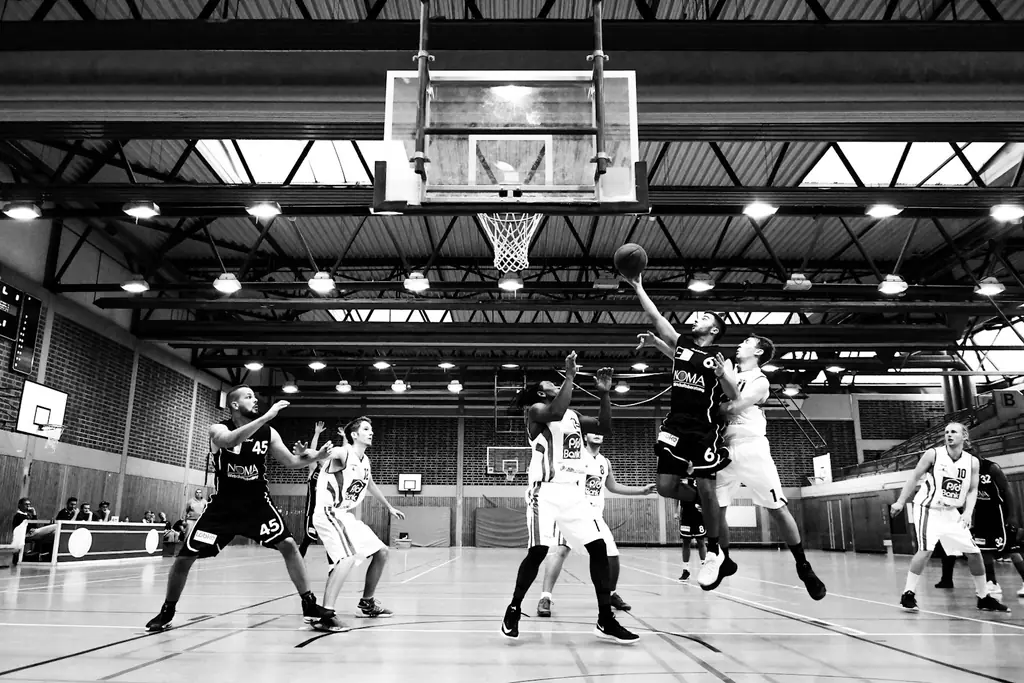 Basketball2 cameras · 8 m
Shot charts, possessions and player load, from two cameras.
Open the basketball page
What each court or pitch needs.
A multi-sport hall can mix them. Lines for several sports on one floor are calibrated separately.
| Sport | Cameras | Position | Height | Court or pitch |
|---|---|---|---|---|
| Pickleball | 1 | Behind the baseline | 4 m | 13.41 × 6.10 m |
| Padel | 1 | Above the back glass | 5 m | 20 × 10 m |
| Tennis | 1–2 | Behind the baseline | 6 m | 23.77 × 10.97 m |
| Badminton | 1 | High behind the baseline | 7 m | 13.40 × 6.10 m |
| Basketball | 2 | One per half, on the side | 8 m | 28 × 15 m |
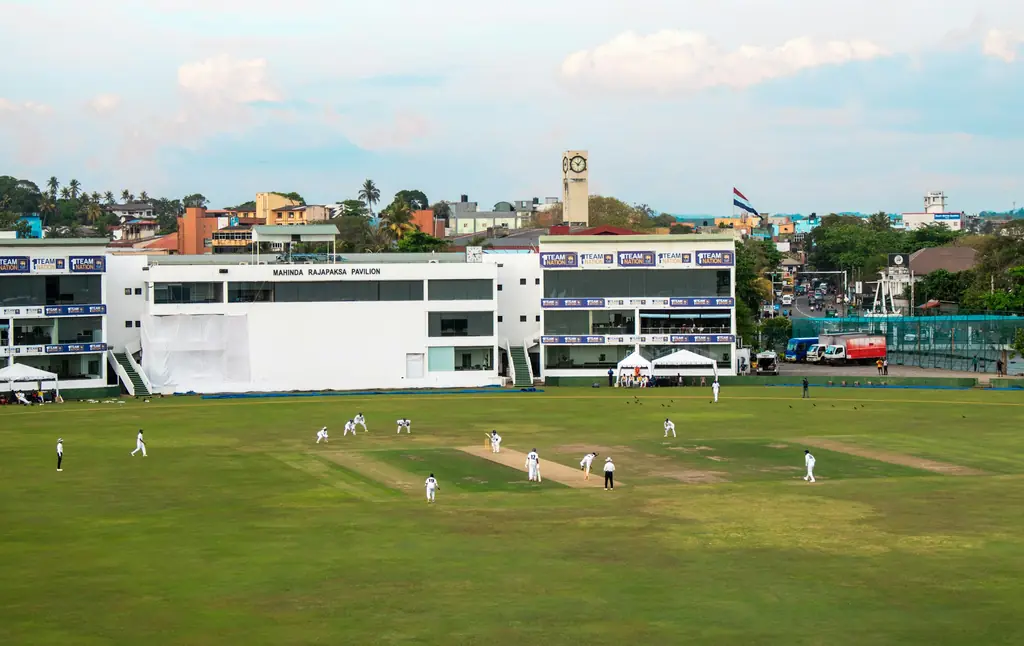
| Cricket | 1 per net, 2 per ground | Behind the bowler’s arm, at both ends | 4 m in nets, 10 m on a ground | Pitch 20.12 × 3.05 m |
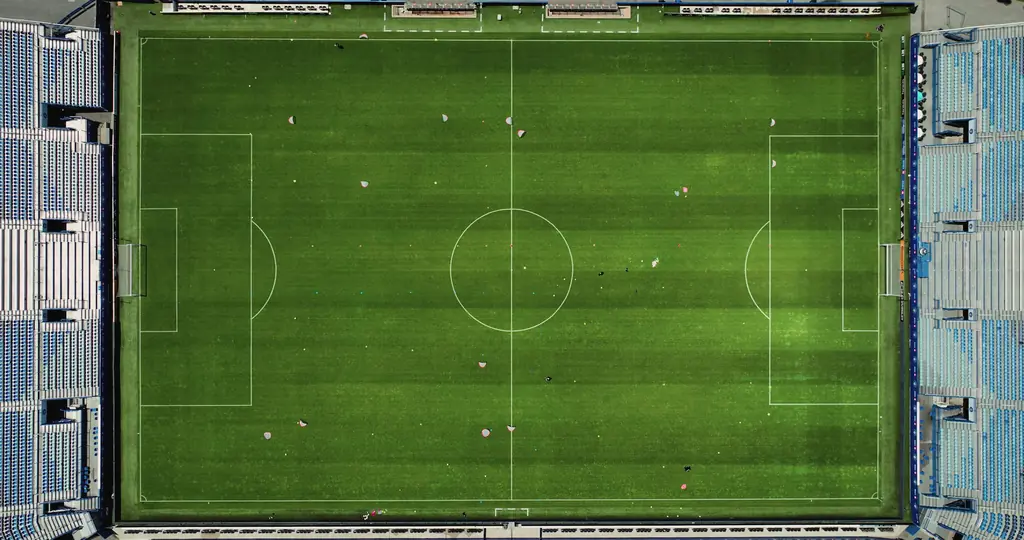
| Football | 1–3 | Halfway line, plus one behind each goal | 10–15 m, on a mast | Up to 105 × 68 m |
Heights are typical. The site survey fixes them for your building.
Questions about sports
- Does Sportseye work for football?
- Yes, for football as in soccer. One camera high on the halfway line sees a whole pitch, from five-a-side to full size, and one behind each goal helps with match analysis. Football in detail
- Does Sportseye work for cricket?
- Yes. A ground uses two cameras, one behind the bowler’s arm at each end. In the nets it is one per lane. Cricket in detail
- Can one hall be used for several sports?
- Yes. Lines for several sports on one floor are calibrated separately.
- Is the tracking the same for every sport?
- No. Each sport gets its own tracking model, trained on its own ball, its own lines and its own rules.
Play something else?
Futsal, volleyball, hockey, netball, squash, table tennis, handball, rugby: tell us what you play and where. The site survey plans the cameras, and we set the tracking up for your game.