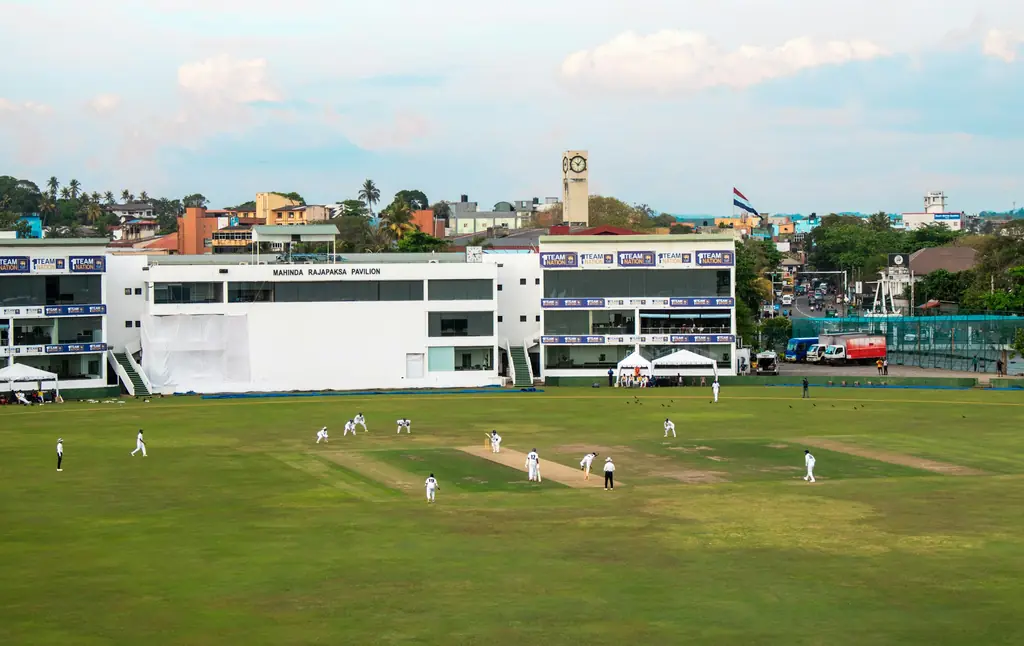
Football
Goals, chances, sprints and team shape, from five-a-side to full size.
1–3 cameras per pitchHigh on the halfway line10–15 m on a mast
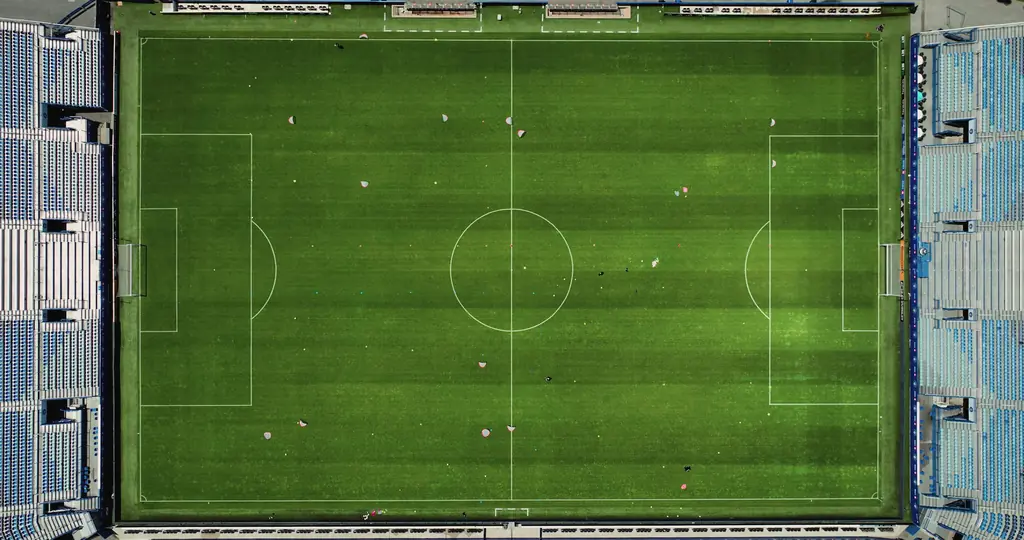
Football happens all over the pitch at once. One camera high on the halfway line sees all of it.
Goals and chancesEvery shot, on target or not, clipped with the build-up.
Heat mapsWhere each player spent the match, half by half.
Sprints and distanceDistance, top speed and sprints for every player.
Team shapeHow high the line sat and how compact the team stayed.
Set piecesCorners and free kicks, and what came of each one.
Match-day streamsLeague games go out live, with the score on screen.
One camera on the halfway line sees the whole pitch.
- Cameras
- 1–3 per pitch
- Position
- High on the halfway line, plus one behind each goal
- Height
- 10–15 m, on a mast
- Pitch
- Up to 105 × 68 m · five-a-side to full size
18shots, 7 on target
11.2 kmrun by the busiest player
32 km/hfastest sprint of the match
9corners, every one clipped
Sample numbers from one match.
Rules it knows
Goals and the goal lineOut of playOffside lines, for reviewCorners and free kicksHalves and added time
Questions about football
- Does Sportseye track football (soccer)?
- Yes. Football as in soccer: association football, from five-a-side to full size.
- How many cameras does a football pitch need?
- One to three. One high on the halfway line sees the whole pitch, and one behind each goal helps with match analysis. The mast is 10 to 15 metres high.
- What does Sportseye measure in football?
- Goals and chances, heat maps, sprints and distance, team shape and set pieces.
- Which football rules does Sportseye know?
- Goals and the goal line, the ball out of play, offside lines for review, corners and free kicks, and halves with added time.