Cricket
Bowling speed, line and length and every boundary, from the nets to the middle.
2 cameras per ground1 per net laneBehind the bowler’s arm
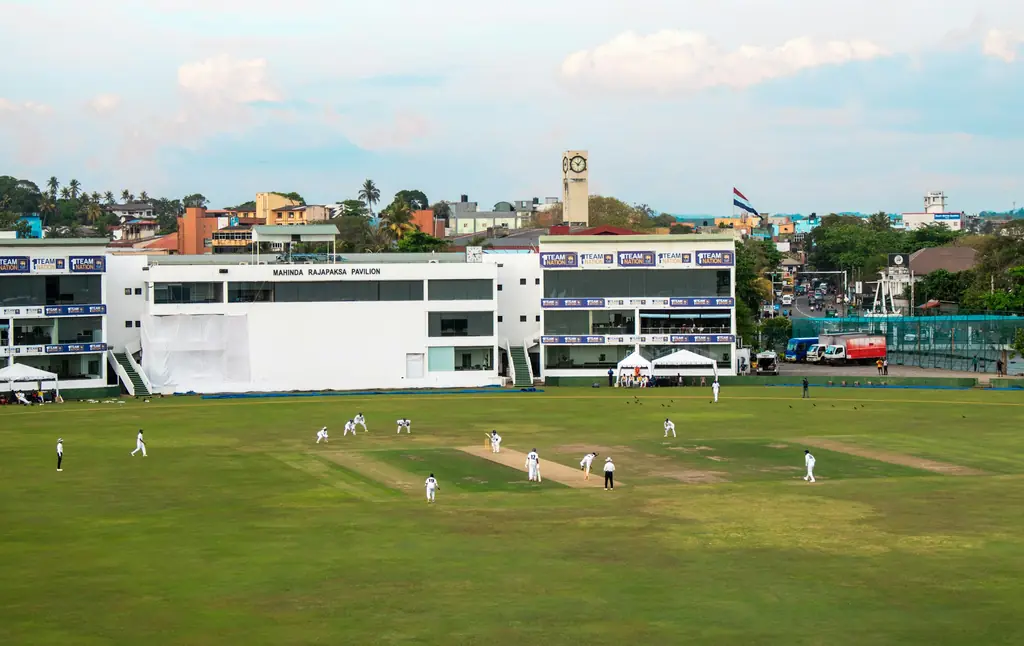
Cricket is played ball by ball. The cameras follow every delivery from the bowler’s hand to the bat and beyond.
Bowling speedEvery delivery, measured from release to the batter.
Line and lengthWhere each ball pitched, on a map of the pitch.
Shot mapWhere every shot went, and the runs scored in each area.
Wickets and boundariesEvery one clipped as it happens, ready to share.
Front-foot no-ballsSeen in the frame, delivery by delivery.
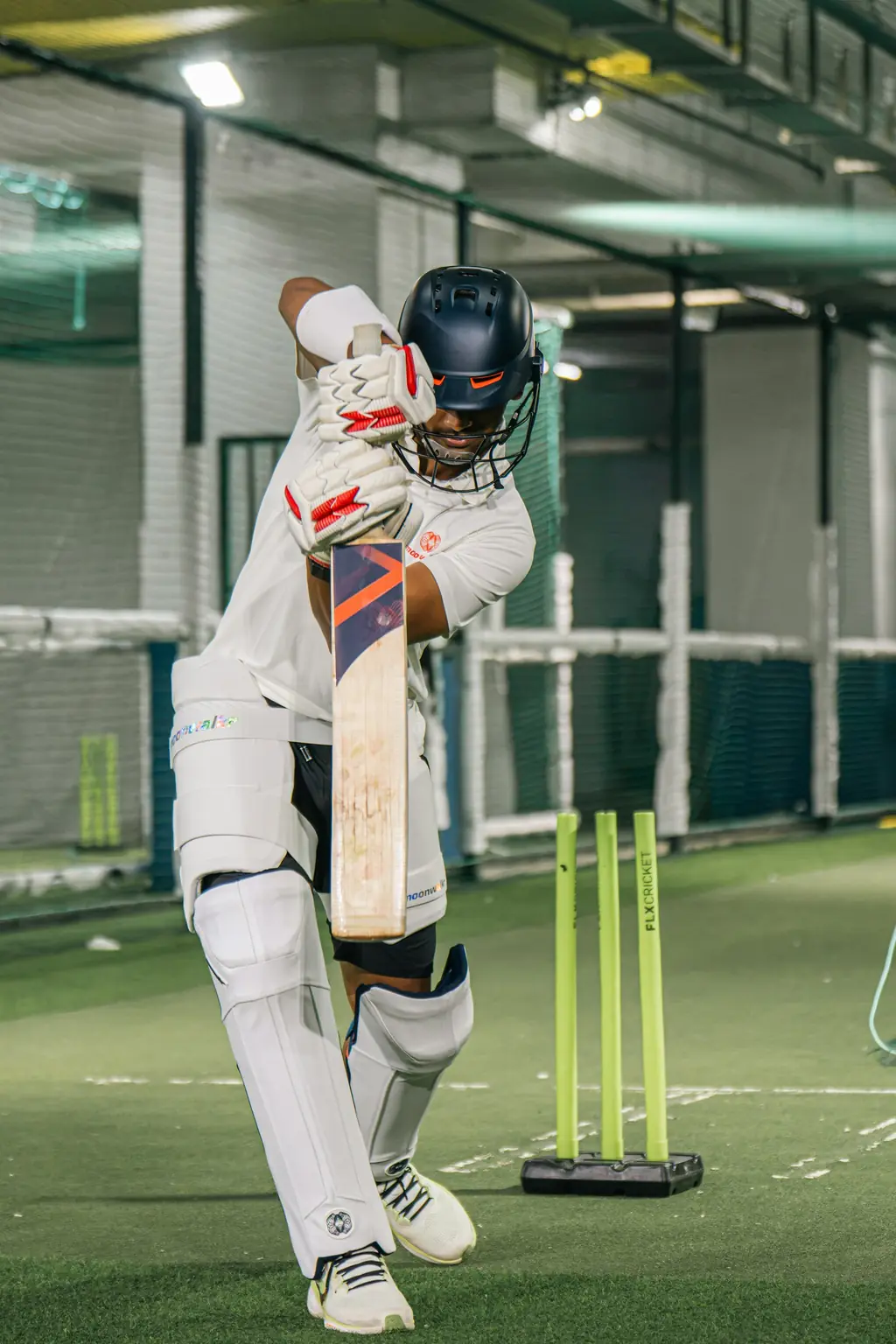
Net sessionsEach lane recorded on its own, so every batter gets their session.
Two cameras, one at each end.
- Cameras
- 2 per ground · 1 per net lane
- Position
- Behind the bowler’s arm, at both ends
- Height
- 10 m on a ground · 4 m in the nets
- Pitch
- 20.12 × 3.05 m · 22 yards
131 km/hfastest ball of the match
64%balls pitched on a good length
246deliveries in a 40-over match
18boundaries, every one clipped
Sample numbers from one match.
Rules it knows
Fours and sixesFront-foot no-ballsWidesSix balls an overRun rate and dot balls
Questions about cricket
- How many cameras does a cricket ground need?
- Two, one behind the bowler’s arm at each end, about 10 metres up. In the nets it is one per lane, about 4 metres up.
- What does Sportseye measure in cricket?
- Bowling speed, line and length, shot maps, wickets, boundaries and front-foot no-balls, in matches and in the nets.
- Can the cameras measure bowling speed?
- Yes, on every delivery, from release to the batter.
- Which cricket rules does Sportseye know?
- Fours and sixes, front-foot no-balls, wides, six balls an over, and the run rate and dot balls.