Tennis
Serves, line calls and rally depth, on the courts you already have.
1–2 cameras per courtBehind the baseline6 m high
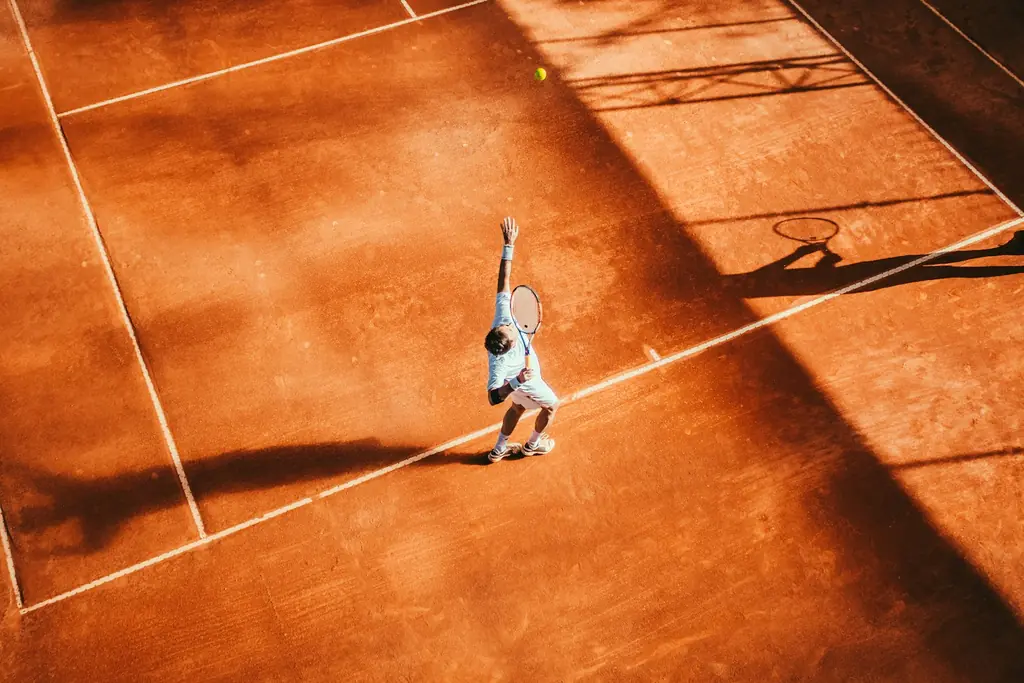
Tennis courts are big and the lines are thin. One camera calls every ball and measures every serve.
ServeSpeed, placement by box, first and second serve percentage.
Line callsIn or out, with the bounce mark shown on the court.
Rally depthHow deep each ball landed, by player and by set.
MovementDistance run and recovery to the middle after each shot.
Return positionWhere you stood to return, and what it did to the serve.
Unforced errorsTold apart from forced ones by the speed of the incoming ball.
One camera, two on match courts.
- Cameras
- 1, or 2 for match courts
- Position
- Behind the baseline, centred
- Height
- 6 m
- Court
- 23.77 × 10.97 m · 78 × 36 ft
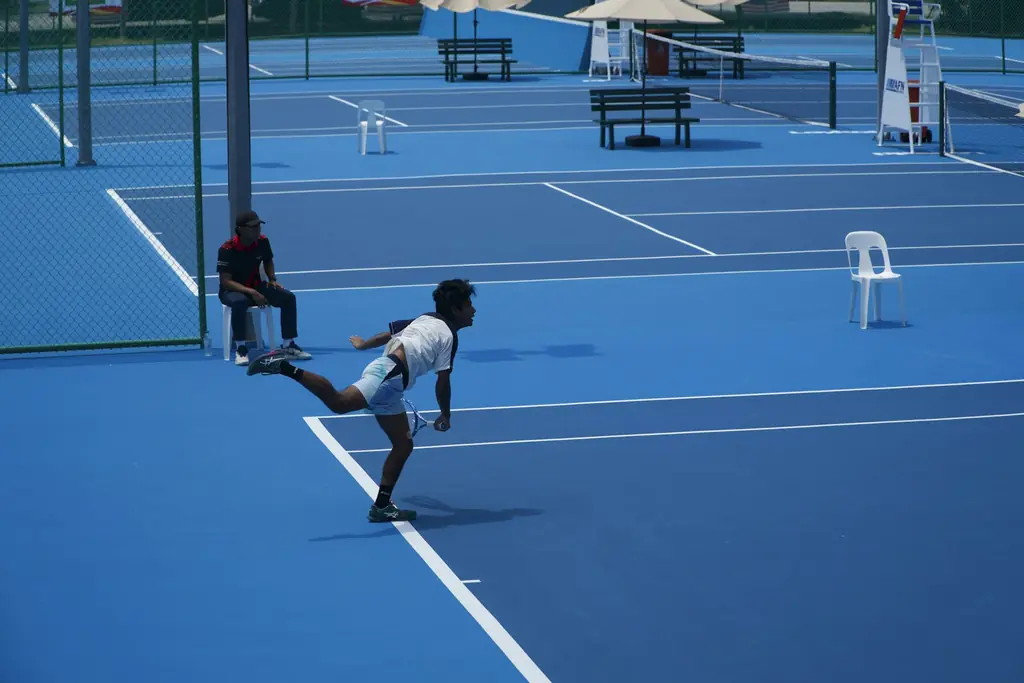
168 km/haverage first serve
62%first serves in
2.9 maverage rally depth
1.6 kmrun in two sets
Sample numbers from one match.
Rules it knows
In or out, with the bounce shownFoot faultsLets on serveDouble faultsScore kept for you
Questions about tennis
- How many cameras does a tennis court need?
- One or two. One sits behind the baseline, about 6 metres up. A second camera is for match courts.
- What does Sportseye measure in tennis?
- Serves, line calls, rally depth, movement, return position and unforced errors.
- Does Sportseye make line calls?
- Yes. It shows in or out, with the bounce mark on the court.
- Which tennis rules does Sportseye know?
- In or out with the bounce shown, foot faults, lets on the serve and double faults, and the score is kept for you.