Padel
Glass, walls and overheads, read the way the game is played.
1 camera per courtAbove the back glass5 m high
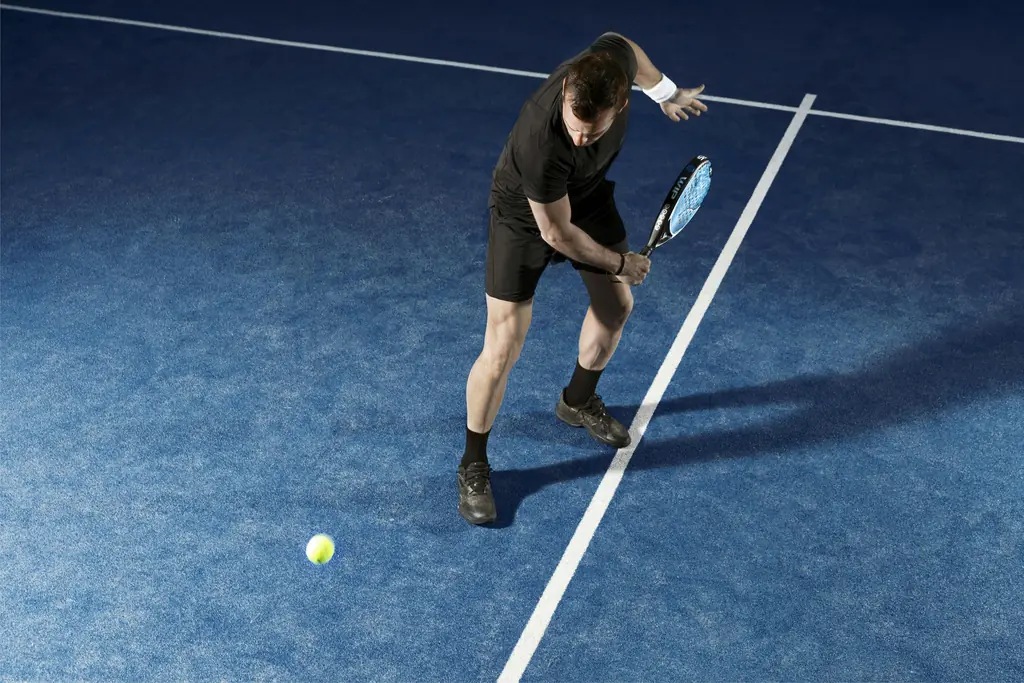
Half of padel happens off the glass. The camera follows every rebound and tells a bandeja from a víbora by the swing.
Glass and wall playEvery rebound off the back and side glass, and what came next.
OverheadsBandeja, víbora and smash, told apart by the swing.
Net positionHow long each pair held the net, and how they lost it.
LobsHeight and depth, and whether they pushed the pair back.
ChiquitasSoft balls to the feet, and how often they forced a lift.
Partner coverageWho took the middle balls, and how often you both went for one.
One camera, above the back glass.
- Cameras
- 1 per court
- Position
- Above the back glass, centred
- Height
- 5 m
- Court
- 20 × 10 m
811shots in a doubles match
46%of the match spent at the net
71%of 38 bandejas stayed in
96 km/hfastest smash
Sample numbers from one match.
Rules it knows
Bounce before the glassServe below the waistBall off the fence after the bounceLets on serveIn or out, by the line
Questions about padel
- How many cameras does a padel court need?
- One. It sits above the back glass, about 5 metres up.
- What does Sportseye measure in padel?
- Glass and wall play, overheads, net position, lobs, chiquitas and partner coverage.
- Can the camera tell a bandeja from a smash?
- Yes. It tells overheads apart by the swing: bandeja, víbora and smash.
- Which padel rules does Sportseye know?
- Bounces before the glass, the serve below the waist, balls off the fence after the bounce, lets on the serve, and in or out by the line.